
Thoughtful guidance before a dog joins the home
Prepare for adoption or puppy buying with responsible sourcing questions, realistic cost planning, and routines that still work after the excitement wears off.
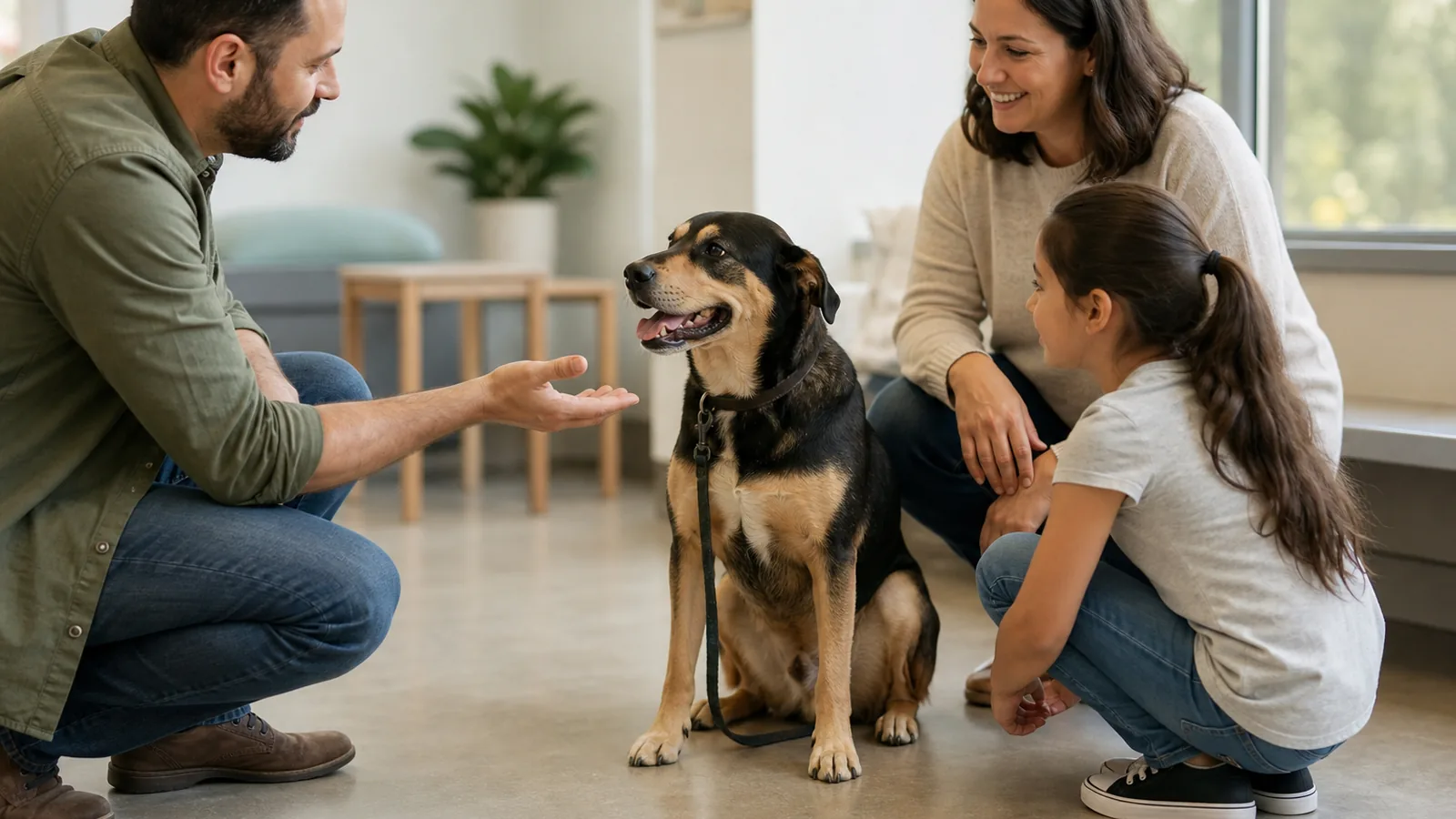
Choose patience over pressure
A useful resource in this category should slow people down in the right way, making health, fit, and long term responsibility easier to see.
Define the home you can offer
Compare the household's schedule, housing, care budget, support network, and tolerance for training disruption. The right match should still make sense after the first exciting weeks and during ordinary busy months.
Ask for a clear history and handoff
Responsible shelters, rescues, and breeders should welcome careful questions about health, behavior, social experience, records, and return support. Vague answers or pressure to decide immediately are reasons to pause.
Prepare for the transition
Plan transport, identification, veterinary care, feeding, sleep, toilet breaks, and a quiet first few days before the dog arrives. A calm setup gives the household better information about what the dog actually needs.
A responsible source should welcome care
Whether you speak with a shelter, rescue, or breeder, clear answers and an unhurried handoff matter more than a persuasive sales story.
- What is known about the dog’s health, behavior, and daily routine?
- Which records, vaccinations, screening results, and identification come with the dog?
- How has the dog lived with people, dogs, children, handling, and time alone?
- What support is available if the match becomes difficult?
- Can the household meet the dog and review all terms before paying or committing?
- Is there pressure, secrecy, an unsafe meeting place, or reluctance to answer ordinary questions?
Guides for choosing well and settling in
Explore household fit, apartment realities, work schedules, responsible breeder questions, first-year costs, and a calmer arrival.
Cost of the First Year With a Dog
A realistic first year dog budget should cover routine life, not only the day the dog comes home.
Daily Routine for a Dog in a Small Apartment
A small apartment can work very well when the dog knows when to move, when to rest, and how the home feels each day.
First Time Dog Owner Guide
Good first dog decisions come from honest routine planning, not from excitement alone.
How to Build a Calm First Night With a New Dog
A calm first night helps the dog settle into the household without turning the homecoming into a marathon of stimulation.
How to Choose a Dog for Apartment Living
The best apartment dog is the one that can recover well indoors and live politely in close quarters.
How to Choose the Right Dog Breed
A good breed match makes ordinary life easier long after the exciting first week ends.
How to Decide if Your Apartment Building Is Dog Ready
A building can allow dogs and still be a hard place to live with one every day.
How to Match Dog Energy to Your Real Life
Energy fit is not about wanting an active dog. It is about the routine you can deliver without resentment.
How to Pick a Dog When You Work Full Time
The right dog for a full time worker is the dog whose daily rhythm still works after meetings, commuting, and ordinary fatigue.
Puppy or Adult Dog Which Is Right for You
Puppies offer more shaping time. Adult dogs offer more visible reality. The better choice depends on what your home can handle well.
Questions to Ask a Breeder
A good breeder should welcome careful questions and clear expectations long before a deposit is discussed.
What to Buy Before Bringing a Dog Home
Buy for stability first so the home is ready for the dog you are actually bringing home.
Questions before committing
There is no single right source for every household, but there are clear signs of a thoughtful, transparent process.
How quickly should I decide?
A responsible decision leaves enough time to review records, discuss household fit, understand terms, and prepare. Pressure to pay immediately or avoid questions is a reason to step back.
What should the first week look like?
Keep the schedule quiet and predictable. Focus on rest, toilet breaks, food, safe supervision, and short introductions rather than trying to expose the dog to everyone at once.
What if the dog is struggling after arrival?
Contact the shelter, rescue, or breeder early, and involve a veterinarian when health may be contributing. Good support is easier when concerns are documented before they become a crisis.