
Nutrition guidance that values clarity over confusion
Understand food labels, feeding amounts, treats, diet changes, and the situations that call for individual veterinary advice.
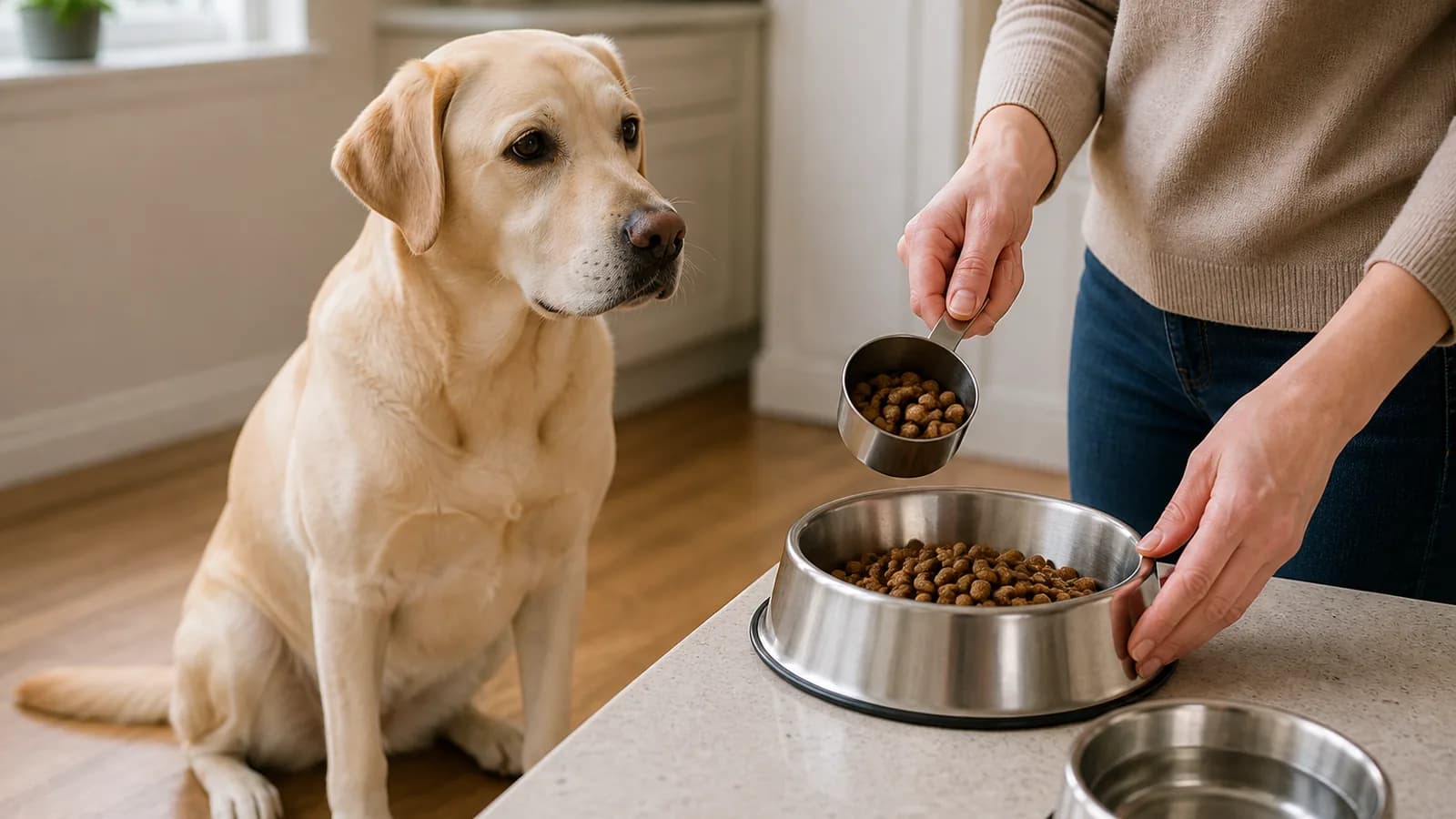
Make feeding decisions from a steady routine
These pieces are written to make common feeding decisions easier to understand without turning every question into a trend debate.
Start with the dog, not the label design
A useful feeding plan reflects age, body condition, activity, health history, and the household's ability to stay consistent. Packaging can explain ingredients and feeding ranges, but it cannot assess the individual dog.
Make changes slowly and observe
When a food change is appropriate, transition gradually unless a veterinarian advises otherwise. Track appetite, stool quality, weight, skin changes, and energy so the decision is based on patterns rather than one unusual meal.
Take the right questions to the veterinarian
Persistent digestive problems, weight change, suspected allergies, medical diets, and supplement decisions need professional context. Bring the product label, portion details, treats, and a short symptom timeline to make that conversation more useful.
What to notice between meals
A feeding plan becomes more useful when you watch the dog over time instead of reacting to one bowl or one unusual day.
- Measure meals consistently and include treats in the daily picture.
- Keep fresh water available and notice meaningful changes in thirst.
- Track weight and body condition rather than relying on appetite alone.
- Store food securely and check the label for handling guidance.
- Change foods gradually unless a veterinarian directs otherwise.
- Call a veterinarian for persistent vomiting, diarrhea, appetite loss, or unexplained weight change.
Straightforward reading for daily feeding
These guides cover portions, labels, life stages, treats, food changes, and common concerns without making unsupported dietary promises.
Feeding an Older Dog Well
Older dogs often need more thoughtful feeding, not simply less food.
Food Allergy Feeding Guide
A food allergy plan only works when the whole household protects the trial and stops accidental extra feeding.
How Much Should I Feed My Dog
A good feeding amount keeps the dog in healthy condition and still matches the food and lifestyle in front of you.
How to Read Dog Food Labels
Focus on the full label, not only the front of the bag.
How to Switch Dog Food Safely
Slow food changes usually create fewer digestive surprises and give owners better information if a new diet is not working.
Safe Treats for Dogs
A safe treat should be worth giving without quietly wrecking the rest of the diet.
Sensitive Stomach Feeding Guide
Better stomach support starts by making meals more predictable and easier to judge.
Common feeding questions
General guidance can help organize the decision; an individual medical or therapeutic diet still belongs with your veterinarian.
Is the feeding guide on the bag exact?
No. It is a starting range. Age, activity, body condition, treats, neuter status, and health can change an individual dog’s needs, so monitor the dog and discuss adjustments with a veterinarian.
How quickly can I change dog food?
A gradual transition is usually easier on digestion unless a veterinarian has given different instructions. Watch appetite, stool, skin, and comfort during the change.
When is a feeding problem a veterinary issue?
Persistent digestive signs, repeated refusal to eat, rapid weight change, suspected food reactions, trouble swallowing, or unusual thirst deserve professional attention.