
Training advice built for daily life
Build practical training routines that owners can repeat at home, on walks, and around everyday distractions.
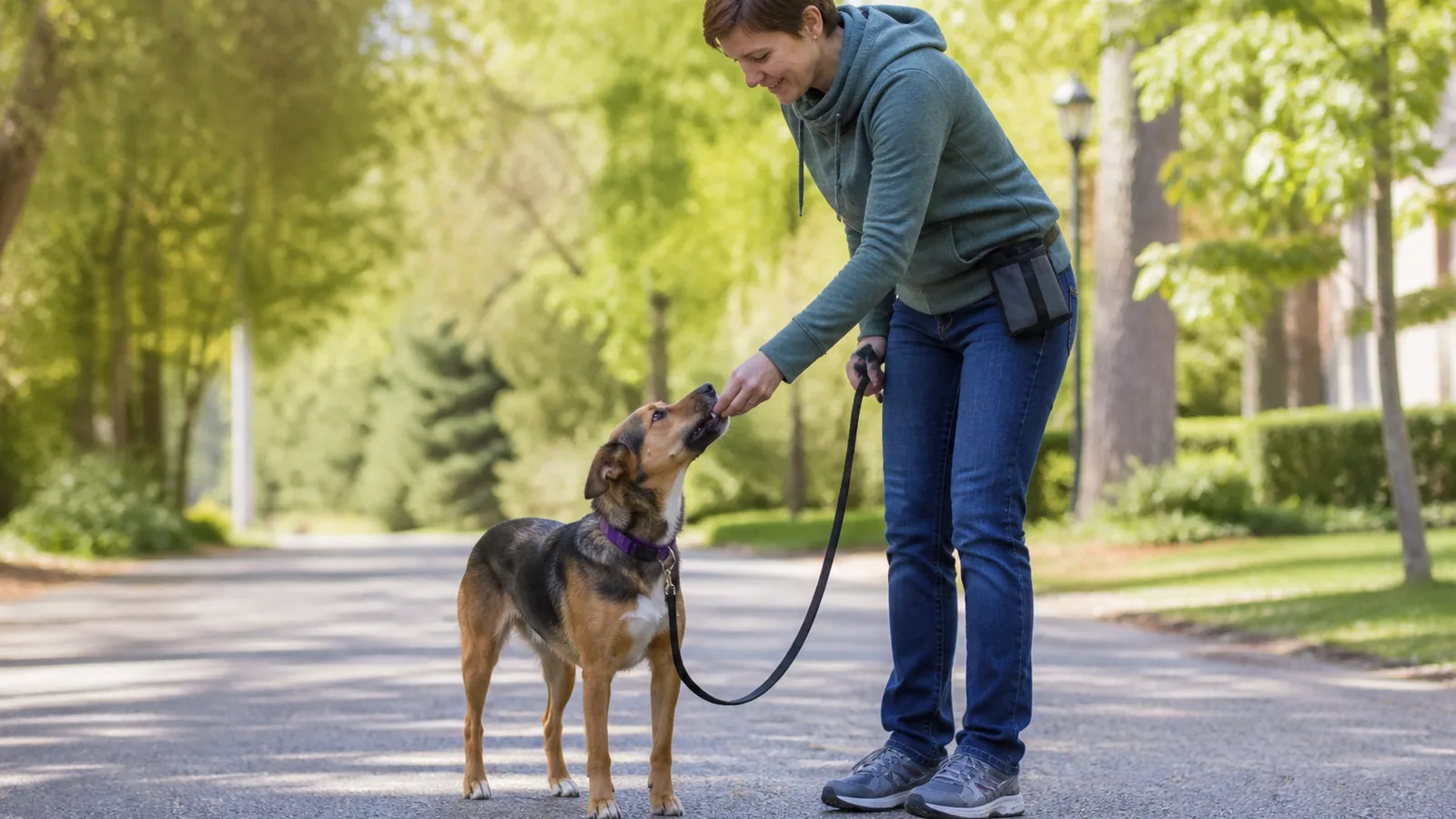
Build skills in the order daily life needs them
Each article focuses on a clear everyday problem and connects the advice to timing, environment, consistency, and the dog's comfort.
Choose one routine to improve
Start with the moment that breaks down most often, such as the doorway, leash clip, crate, recall, or evening settling. One repeatable change is easier for both dog and household to understand than a complete routine overhaul.
Keep cues and rewards consistent
Progress is easier to measure when everyone uses the same cue, timing, and reward pattern. Practice in a quiet setting first, then add distance, distraction, or duration gradually instead of asking for all three at once.
Know when training is not the whole answer
Sudden behavior changes, pain, intense fear, guarding, or safety concerns deserve qualified help. A veterinarian, credentialed trainer, or behavior professional can help separate a learning problem from a medical or emotional one.
A session the dog can understand
Short, clear practice usually does more than a long session after either dog or owner has lost focus.
- Choose one behavior and one clear cue.
- Begin somewhere quiet enough for the dog to respond.
- Reward the behavior you want to see repeated.
- Add distance, duration, or distraction one at a time.
- Stop while the dog is still engaged and comfortable.
- Get qualified help for fear, guarding, aggression, or sudden behavior change.
Guides for puppies, adult dogs, and real households
Move from immediate routines to stronger everyday skills, with guidance designed for practice at home and on walks.
Better Crate Routine After the First Week
A crate routine gets easier when the dog sees it as part of normal rest instead of as a sudden shutdown tool.
Crate Training in the First Week
Use meals, rest, and short sessions to build comfort around the crate.
How to Build a Backup Plan for Dog Care
Good dog planning is not only about the ideal week. It is about the week that goes sideways.
How to Build a Weekday Dog Routine That Holds
The best dog routine is not the most ambitious one. It is the one the household can still follow on a messy Wednesday.
How to Choose a Dog Crate for Home Routine
A crate works best when it supports calm routine instead of becoming a piece of equipment the household resents using.
How to Choose a Harness for Daily City Walks
The best harness is the one that supports real walking, not the one that wins a quick first impression online.
How to Choose a Leash for City Walking
The best city leash is the one that keeps control simple when the sidewalk, elevator, or corner gets busy.
How to Leave a Dog Home Alone
Good alone time training is a routine skill, not a one day test of whether the dog can handle it.
How to Reduce Barking at Home
A barking plan works best when the owner knows why the dog is barking before trying to shut it down.
How to Teach Loose Leash Walking
A calmer walk starts by teaching the dog how to stay near you before the route gets busy.
Puppy Schedule That Stays Consistent
Puppies do better when the day has a rhythm that the household can actually repeat.
Recall Training for Real Life
Come should feel valuable enough that the dog wants to turn back fast even when something else looks interesting.
Training an Adult Dog With Old Habits
Old habits can change, but adult dogs usually need patient practice and better setup more than they need pressure.
Training questions owners ask early
The best next step is usually the one that makes practice clearer and safer, not more complicated.
How long should a training session be?
For many dogs, several focused minutes is enough. End before attention falls apart, then repeat later in the day. The quality and consistency of practice matter more than a long clock time.
Should every family member use the same cues?
Yes. Agree on the word, hand signal, reward, and household rule so the dog is not solving a different puzzle with each person.
When should I involve a professional?
Seek qualified help when behavior involves fear, guarding, aggression, bite risk, severe separation distress, or a problem that is worsening. Sudden changes also deserve a veterinary conversation.