
Helpful safety guidance for everyday routines
Prepare for seasonal risks, household hazards, travel, emergencies, and the everyday situations that affect a dog's health and safety.
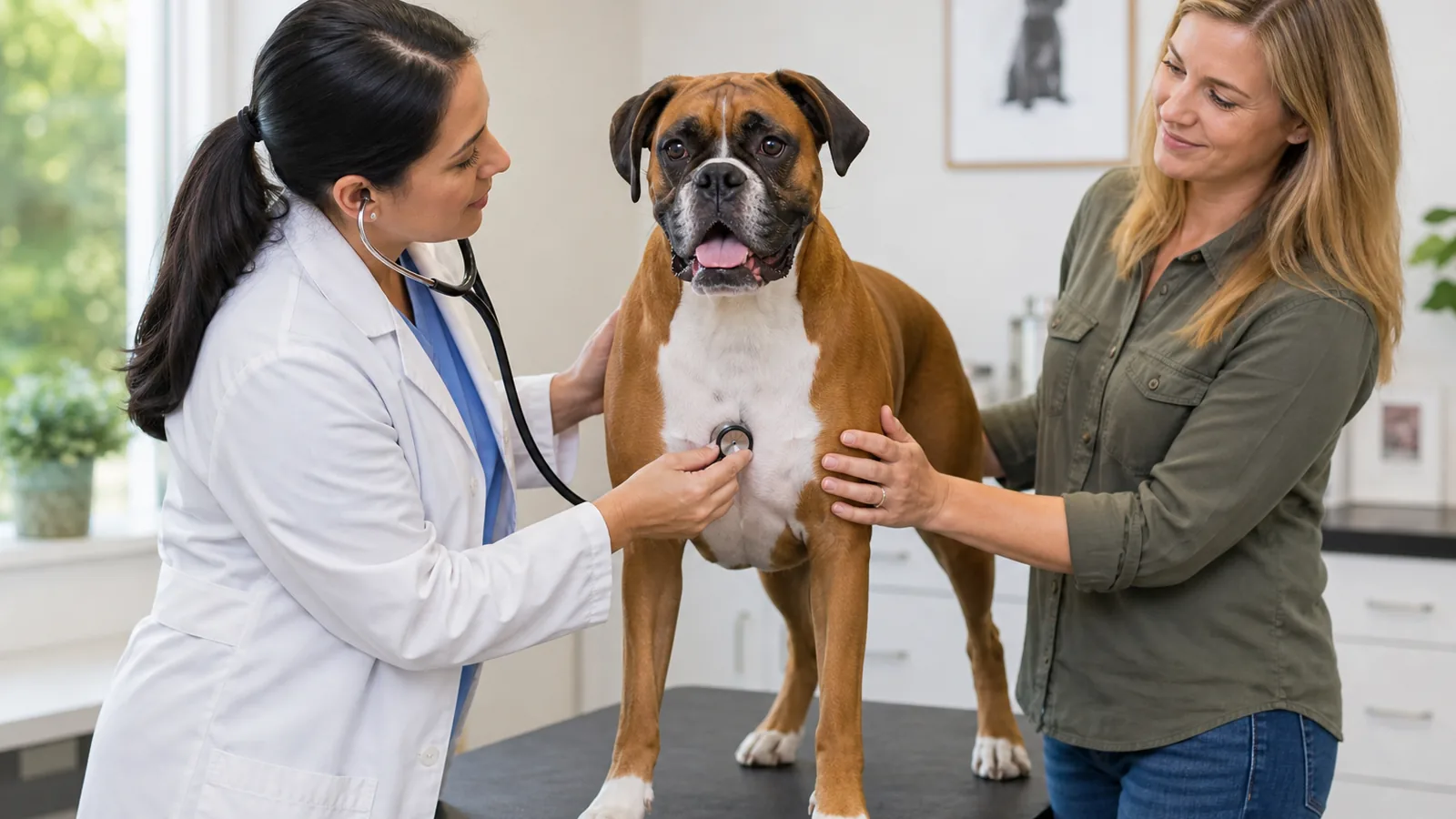
Prevent what you can and prepare for what you cannot
The guidance focuses on high impact habits that can prevent avoidable stress, discomfort, or danger.
Build prevention into the routine
Good prevention is often ordinary: secure food and medication storage, use safe transport, check seasonal walking conditions, and keep identification and veterinary contact details current.
Prepare before an urgent moment
Know which regular and emergency clinics you would call, how you would transport the dog, and where the medication list is kept. A simple plan reduces delay when a stressful situation makes decisions harder.
Recognize the limits of online guidance
Dog Haven supports owner judgment but does not replace veterinary care. Breathing difficulty, severe pain, poisoning concerns, collapse, uncontrolled bleeding, or rapid deterioration need direct professional help.
Know when to call now
This list is not a diagnosis. If you are unsure whether a situation is urgent, contact a veterinarian or emergency clinic directly.
- Trouble breathing, blue or very pale gums, collapse, or loss of consciousness.
- Suspected poisoning or access to medication, toxic food, or chemicals.
- Uncontrolled bleeding, serious trauma, seizure activity, or severe pain.
- Repeated unproductive retching with a swollen or painful abdomen.
- Inability to urinate, marked weakness, or rapid deterioration.
- Heat illness signs such as heavy distress, confusion, vomiting, or collapse.
Prevention guides for home and every season
Build safer routines around food, weather, storms, local veterinary care, and the hazards that change through the year.
Fall Safety Checklist for Dogs
Fall feels easier than summer, but it still changes how dogs move, recover, and stay safe.
Foods Dogs Should Never Eat
Food mistakes happen quickly, so owners need a calm response framework more than a memorized panic list.
How to Choose a Veterinarian Before You Need One
The best time to choose a veterinarian is before the first urgent problem forces the decision.
Kitchen Habits That Prevent Food Mistakes
Safer kitchen routines protect dogs better than last minute panic once food is already gone.
Spring Safety Checklist for Dogs
Spring feels easier than winter, but it brings its own set of practical dog risks that are easy to miss.
Storm Safety Plan for Dogs at Home
Storm safety works best when the dog already has a calm indoor plan before the weather turns.
Summer Heat Safety for Dogs
Safer summer routines start with timing, hydration, and realistic expectations.
Winter Safety for Dogs
Cold weather planning should be built around the dog you have, not a heroic idea of what winter outings ought to look like.
Preparing before something goes wrong
A small amount of planning can save time when a dog is hurt, ill, frightened, or exposed to a possible toxin.
What information should I keep ready?
Save your regular veterinarian and nearest emergency clinic, current medications, important medical conditions, insurance details if applicable, and a reliable way to transport your dog.
Should I induce vomiting after a possible poisoning?
Do not do so unless a veterinarian or animal poison professional specifically directs you. The right response depends on the substance, amount, timing, and the dog’s condition.
What belongs in a dog first-aid kit?
Useful basics include gloves, gauze, nonstick dressings, saline, a towel, a spare leash, and current contact information. A kit supports transport and professional care; it does not replace them.