
Choose a breed that fits your real life
Compare exercise, grooming, training, temperament, household fit, and daily care before choosing a dog.
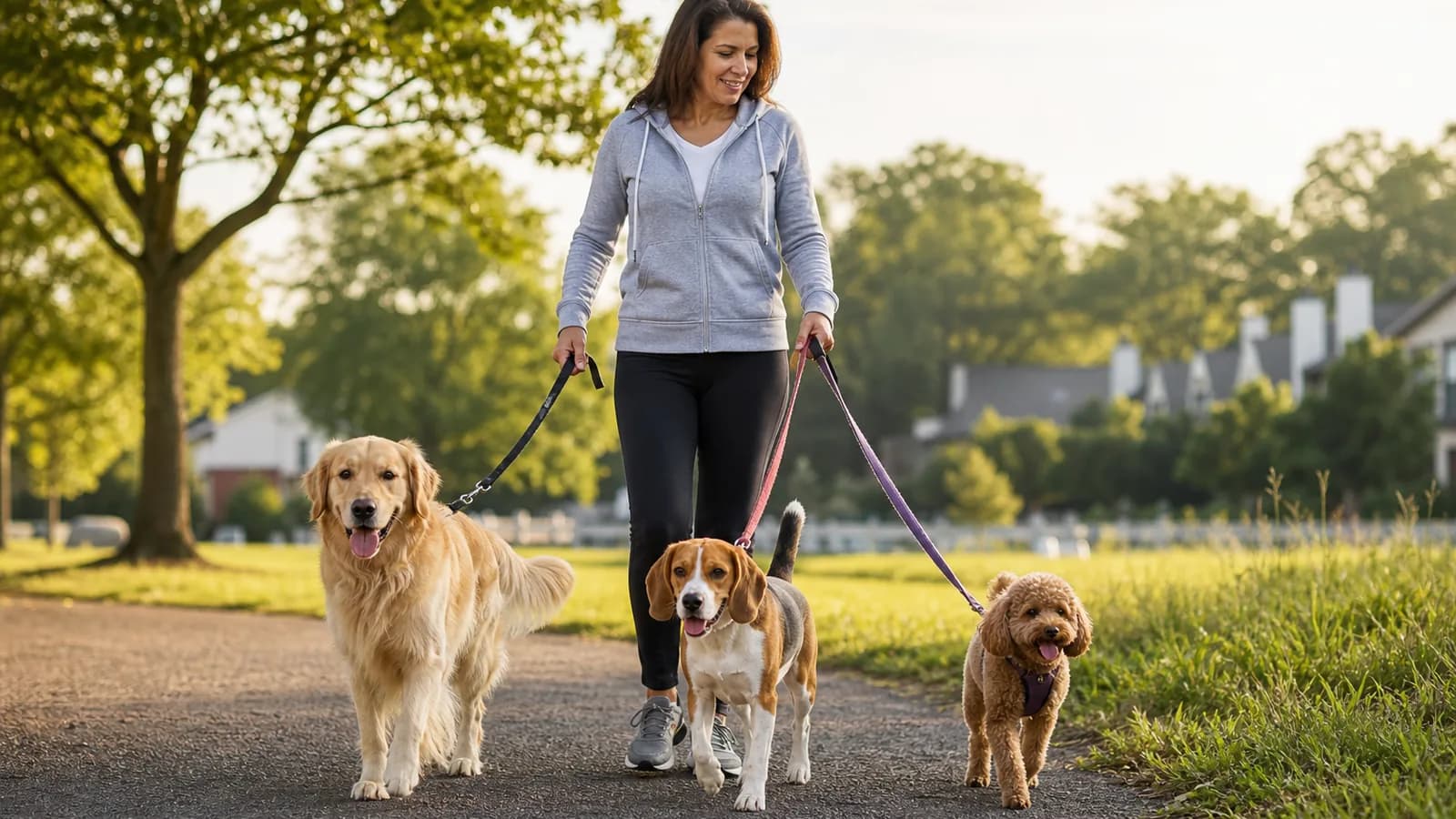
Start with routines, not assumptions
Consider grooming, exercise, social needs, and household fit before you commit.
Measure the ordinary weekday
Begin with the routine your household can sustain when work, school, weather, and errands all compete for time. Exercise, alone time, noise, grooming, and training consistency usually matter more than a breed's most photogenic traits.
Build a shortlist around fit
Use individual profiles to compare size, temperament, coat care, social needs, and likely pressure points. A useful shortlist should make the difficult parts of ownership visible, not only confirm what already feels appealing.
Plan beyond puppyhood
Consider adult exercise needs, health screening, climate, housing rules, care costs, and who can help when routines change. Breed tendencies guide research, but the individual dog's history and support needs still matter.
Compare the work, not only the appeal
Breed tendencies are useful for research, but they do not predict every individual dog. Use them to ask better questions about the life you can provide.
- Adult size, strength, housing rules, and safe transport.
- Daily physical activity and mental engagement in every season.
- Coat type, shedding, grooming frequency, and professional care needs.
- Training sensitivity, socialization needs, and owner experience.
- Comfort with children, other animals, visitors, noise, and time alone.
- Health screening, lifespan, care costs, and access to responsible support.
Curated guides for common household needs
Use these collections to form a shortlist, then read the individual profiles before making a decision.
Best Family Dogs
A thoughtful starting point for households that want a dog with steady social skills, adaptable energy, and a strong record of living well with family routines.
Best Dogs for Apartment Living
A guide for households that need a dog whose size, sound level, and indoor rhythm fit urban or compact spaces.
Best Dogs for First Time Owners
A more careful look at breeds that often reward steady beginners, provided the household is honest about exercise, grooming, and training consistency.
Best Dogs for Active Owners
A guide for people who want a dog that can match a full week of movement, outdoor time, and structured engagement.
Explore every Dog Haven breed guide
Each profile covers temperament, exercise, coat care, training, housing, climate, household fit, and the pressures owners should plan for.
Labrador Retriever
The Labrador Retriever is social, steady, and deeply people focused. It tends to thrive in homes that can offer daily movement, clear routines, and regular involvement in family life.
Golden Retriever
The Golden Retriever is affectionate, trainable, and warm with people. It often fits homes that want a social family dog and are comfortable with more coat maintenance.
German Shepherd
The German Shepherd is intelligent, capable, and intensely loyal. It tends to do best with owners who can combine structure, training, confidence building, and real daily activity.
Cavalier King Charles Spaniel
The Cavalier King Charles Spaniel is affectionate, adaptable, and deeply people oriented. It often suits homes that want closeness, moderate activity, and a softer social style.
Poodle
The Poodle is highly intelligent, athletic, and very responsive to training. It tends to excel in homes that enjoy active engagement and are realistic about grooming commitments.
French Bulldog
The French Bulldog is charming, compact, and strongly companion oriented. It often appeals to city owners, though climate limits and brachycephalic care must be taken seriously.
Dachshund
The Dachshund is alert, funny, and full of character. It often suits smaller homes, but its bold temperament and back care considerations shape everyday ownership more than many people expect.
Border Collie
The Border Collie is brilliant, driven, and intensely task oriented. It often flourishes with highly engaged owners and becomes difficult in homes that underestimate its mental workload.
Beagle
The Beagle brings sociability, comic charm, and a nose that turns every walk into an event. It fits many households well, but independent scent driven behavior changes the training picture.
Boxer
The Boxer is joyful, physical, and often deeply devoted to its people. It suits homes that enjoy lively interaction and are prepared to guide exuberance rather than merely admire it.
Shih Tzu
The Shih Tzu is companion centered, portable, and usually content with a calmer routine than many small breeds. Its main cost is grooming, not distance walking.
Australian Shepherd
The Australian Shepherd is athletic, smart, and eager to stay busy. It often suits motivated homes well, but it is still a working breed with a genuine need for structure.
Bernese Mountain Dog
The Bernese Mountain Dog wins hearts with a soft temperament and striking appearance. It also brings heavy coat, large body care, and warm weather limitations that need honest planning.
Siberian Husky
The Siberian Husky is beautiful, athletic, and famously independent. It can be a joy in the right home and a source of constant frustration in the wrong one.
Chihuahua
The Chihuahua can be bright, loyal, and much more adaptable than its stereotype suggests. It also needs handling that respects its size and does not excuse fear based behavior.
Cocker Spaniel
The Cocker Spaniel can be sweet, lively, and deeply companion focused. It fits many homes well when coat care and sound breeding stay at the center of the decision.
Great Dane
The Great Dane often feels calmer than its size suggests, which is part of the appeal. The daily reality is still giant breed ownership, and that changes almost every practical detail of life.
Miniature Schnauzer
The Miniature Schnauzer combines confidence, trainability, and a practical small size. It often suits city life well, though the alert temperament means sound management still matters.
Pembroke Welsh Corgi
The Pembroke Welsh Corgi looks compact and cheerful, but it is still a herding breed with a busy mind and a strong opinion about daily life.
Rottweiler
The Rottweiler is powerful, steady, and deeply affected by breeding quality and handling. In the right home it can be exceptional. In the wrong one it is a serious mistake.
Questions that improve a shortlist
A breed name is the beginning of the research, not the answer to whether an individual dog will thrive in a particular home.
Is a small dog always better for an apartment?
No. Size matters, but sound, activity, reactivity, indoor settling, access to outdoor space, and building rules can matter just as much.
How much should breed temperament guide me?
Use typical tendencies to prepare, then consider the individual dog’s history, early experience, health, age, and behavior. Responsible sources should help you evaluate both.
What should a first-time owner prioritize?
Look for a realistic match in energy, training, grooming, size, and support needs. A beginner-friendly choice still requires time, consistency, veterinary care, and thoughtful preparation.