
Border Collie
The Border Collie is brilliant, driven, and intensely task oriented. It often flourishes with highly engaged owners and becomes difficult in homes that underestimate its mental workload.
Breed patterns are a starting point, not a promise. Health, breeding, age, social learning, training history, and the home all shape an individual dog.
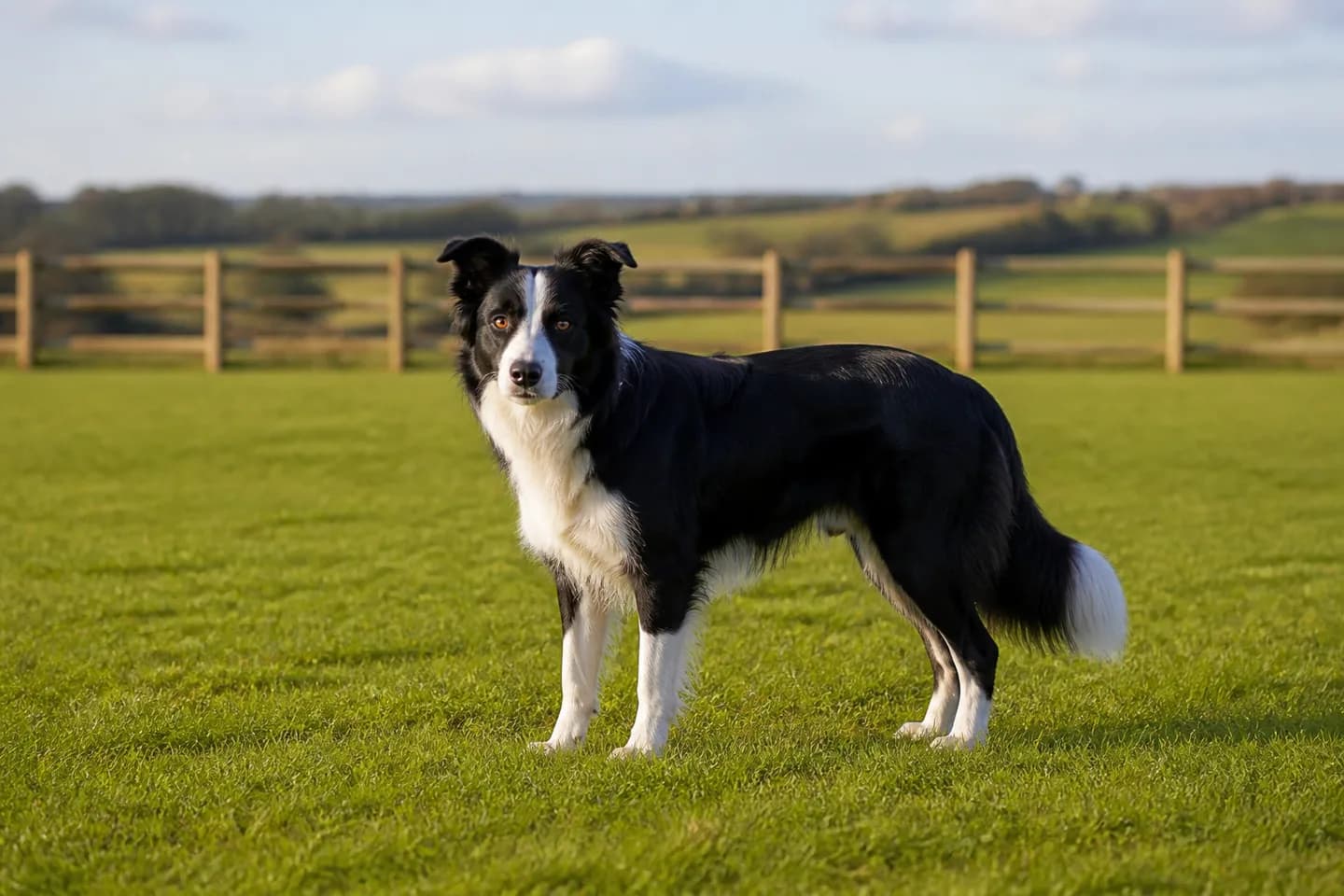
Quick reference
A compact view of the traits that most affect everyday ownership.
| Origin | The border country of Great Britain |
|---|---|
| Original purpose | Gathering and moving sheep under a handler's direction |
| Size | Medium |
| Typical lifespan | 12 to 15 years |
| Activity | Very high |
| Coat | Medium double coat |
| Shedding | Moderate |
| Voice | Moderate to high |
History and original purpose
Border Collies were shaped primarily by working ability in the sheep country along the English-Scottish border. Efficient movement, responsiveness at distance, intense observation, and the ability to control livestock mattered more than producing a uniform decorative dog.
Those traits can appear in family life as motion sensitivity, rapid pattern learning, staring, chasing, and a need for purposeful cooperation. Simply making the dog tired can build a fitter athlete without teaching the off-switch and emotional control an ordinary home needs.
Temperament and daily feel
Exceptional when the dog has clear work and calm guidance
Exercise and mental work
A Border Collie needs substantial physical work and even more mental purpose. Repetition without challenge is rarely enough.
Advanced obedience, scent work, controlled herding where responsibly available, agility foundations, object discrimination, and thoughtful trick chains can help. Balance demanding work with sniffing, sleep, and calm activities that reduce rather than amplify arousal.
Grooming and coat care
Coat care is manageable for most owners, but seasonal shedding still shows up in a serious way.
Shedding: Moderate
Home, children, and other pets
Can be excellent in the right home, but this is usually a commitment breed rather than an easy general family dog.
Some Border Collies live beautifully with children and pets, while others find running, squealing, wheels, or unpredictable movement difficult. Supervision and protected separation matter, and chasing should never be dismissed as harmless herding.
Apartment fit: Usually a difficult apartment fit because of intensity, sound level, and the need for sustained purposeful work.
Time alone: Many Border Collies do not handle under structured isolation well and can develop repetitive behaviors when frustrated.
Climate: Often adaptable across regions, with normal caution in heat and enough work in rainy or cold climates.
Health considerations
These are discussion points for a veterinarian, rescue, or responsible breeder, not a prediction or diagnosis for an individual dog.
- Physical fitness matters, but mental stability matters just as much.
- Poor outlets can create behavior strain even in a physically healthy dog.
- Breeder choice should prioritize temperament, not only intensity.
Ownership cost reality
Training, enrichment, and time are the real costs here. The breed can be expensive in energy even when grooming costs stay moderate.
Best suited to
Highly active owners who love training, Homes that can provide daily problem solving work, People seeking an intense canine partner
Think twice if
Casual companion homes, Households with long boring days, Owners who want the look of a smart dog more than the work of one
Compare similar choices
These alternatives share part of the appeal, but their daily workload and home fit can differ.
| Breed | Size | Activity | Coat care | Home fit |
|---|---|---|---|---|
| Border Collie | Medium | Very high | Coat care is manageable for most owners, but seasonal shedding still shows up in a serious way. | Usually a difficult apartment fit because of intensity, sound level, and the need for sustained purposeful work. |
| Australian Shepherd | Medium | Very high | Regular brushing helps manage seasonal shedding and keeps the coat comfortable during active outdoor living. | Usually difficult unless the owner is exceptional about exercise, structure, and quiet settling skills. |
| German Shepherd | Large | High | Weekly brushing helps, though seasonal shedding can be substantial and household cleanup is part of life with the breed. | Usually not the easiest apartment breed because of size, guarding instincts, and exercise needs. |
| Pembroke Welsh Corgi | Small to medium | Moderate to high | Regular brushing helps with the substantial shedding that many first time buyers do not see coming. | Possible for engaged owners, though shedding, sound, and herding breed intensity make it less simple than the size suggests. |
Finding a responsible source
Ask whether the breeding emphasizes intense stock work, sport, or adaptable companionship and meet adult dogs with the kind of temperament you need. Rescue matching should examine motion triggers, recovery, and the dog's ability to settle indoors.
Ask what support is offered after placement, how health and behavior are assessed, and whether the dog can return if the match fails. Avoid pressure, vague records, and anyone unwilling to discuss the hard parts of living with the breed.
Decision notes before you commit
Compare these concerns with an ordinary weekday, your housing, support network, and the care you can sustain for the dog's full life.
- A mismatch between the dog and a casual lifestyle
- Motion sensitivity and over arousal
- Owners meeting exercise volume but not mental need
Common questions
Continue your task
Related guides and next steps
Crate Training in the First Week
Use meals, rest, and short sessions to build comfort around the crate.
Summer Heat Safety for Dogs
Safer summer routines start with timing, hydration, and realistic expectations.
How to Read Dog Food Labels
Focus on the full label, not only the front of the bag.
German Shepherd vs Border Collie
Two intelligent working breeds that attract active owners, yet they ask for different kinds of structure, social handling, and mental work.
Australian Shepherd vs Border Collie
Two bright herding breeds that attract active people, though one often fits sporty family homes a little more easily while the other is closer to a true training specialist.
Best Dogs for Active Owners
A guide for people who want a dog that can match a full week of movement, outdoor time, and structured engagement.