
Cavalier King Charles Spaniel
The Cavalier King Charles Spaniel is affectionate, adaptable, and deeply people oriented. It often suits homes that want closeness, moderate activity, and a softer social style.
Breed patterns are a starting point, not a promise. Health, breeding, age, social learning, training history, and the home all shape an individual dog.
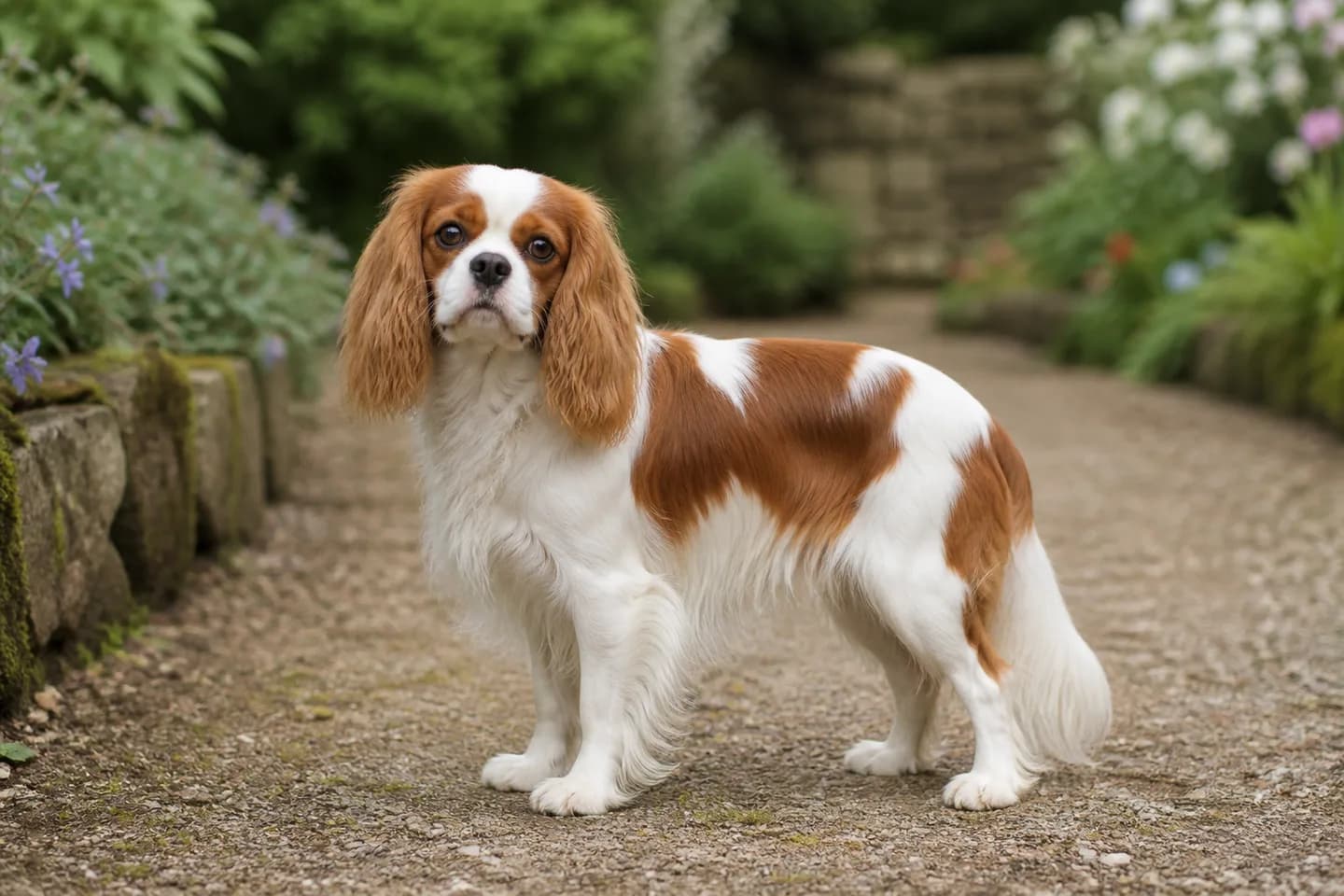
Quick reference
A compact view of the traits that most affect everyday ownership.
| Origin | Great Britain |
|---|---|
| Original purpose | Companion toy spaniel |
| Size | Small |
| Typical lifespan | 12 to 15 years |
| Activity | Moderate |
| Coat | Silky medium coat |
| Shedding | Moderate |
| Voice | Usually low to moderate |
History and original purpose
The Cavalier was developed as a revival of the longer-muzzled toy spaniels seen in historic British portraits. Breeders separated this revived type from the shorter-faced King Charles Spaniel and retained the close, affectionate companion role.
Centuries of companionship help explain the breed's people focus, portable size, and generally soft social approach. That closeness can also make alone-time training important, while its spaniel background means many Cavaliers enjoy sniffing, light retrieving, and more outdoor activity than their lapdog image suggests.
Temperament and daily feel
Generally easy when training stays warm and consistent
Exercise and mental work
Daily walks and gentle play are usually enough, though many Cavaliers enjoy short training and sniffing games.
Gentle scent searches, short retrieve games, trick training, and confidence-building walks are usually a good fit. Sessions should remain upbeat and should not depend on physical pressure or repeated drilling.
Grooming and coat care
Brush several times each week to keep feathering neat and to monitor ears and skin.
Shedding: Moderate
Home, children, and other pets
Usually charming with many households, though supervision matters around very young children because of small size.
Cavaliers often live comfortably with respectful children and other friendly pets. Their small frame needs protection from rough play, and interactions should stop when the dog seeks distance or rest.
Apartment fit: Often a strong apartment choice if owners still provide routine walks and thoughtful alone time training.
Time alone: This breed often prefers company and may need careful help learning to settle alone.
Climate: Comfortable in many regions with basic seasonal adjustments, though intense summer heat still deserves caution.
Health considerations
These are discussion points for a veterinarian, rescue, or responsible breeder, not a prediction or diagnosis for an individual dog.
- Heart health history matters greatly in this breed.
- Responsible sourcing is especially important because breed wide health issues are well known.
- Weight control still matters even in a smaller companion dog.
Ownership cost reality
Day to day costs can feel moderate, but health related veterinary expenses can climb sharply if the dog is not well bred.
Best suited to
Apartment owners who want a sociable companion, People who work from home often, Homes seeking a smaller dog with an easygoing feel
Think twice if
Households wanting a rugged outdoor partner, Homes where the dog must handle long quiet stretches alone, People looking for a very low maintenance coat
Compare similar choices
These alternatives share part of the appeal, but their daily workload and home fit can differ.
| Breed | Size | Activity | Coat care | Home fit |
|---|---|---|---|---|
| Cavalier King Charles Spaniel | Small | Moderate | Brush several times each week to keep feathering neat and to monitor ears and skin. | Often a strong apartment choice if owners still provide routine walks and thoughtful alone time training. |
| Shih Tzu | Small | Low to moderate | A long coat demands regular brushing or a practical trim schedule. Eye and face care also become part of routine maintenance. | Often excellent for apartment living because of size and moderate exercise needs. |
| Cocker Spaniel | Medium | Moderate | Coat maintenance is real here. Regular brushing and grooming appointments usually keep the dog much more comfortable and manageable. | Often workable for owners who handle coat care, exercise, and noise thoughtfully. |
| French Bulldog | Small | Moderate | Coat care is usually simple, though skin folds and ears still need attention. | Often one of the easier companion breeds for apartment life because of size and moderate exercise needs. |
Finding a responsible source
Health history deserves unusually close attention. Ask for current heart and eye evaluations and discuss the additional screening recommended by the breed's parent club; consider an adult rescue when known household behavior would make matching easier.
Ask what support is offered after placement, how health and behavior are assessed, and whether the dog can return if the match fails. Avoid pressure, vague records, and anyone unwilling to discuss the hard parts of living with the breed.
Decision notes before you commit
Compare these concerns with an ordinary weekday, your housing, support network, and the care you can sustain for the dog's full life.
- A strong desire for companionship that can feed separation issues
- Health screening importance when choosing a breeder
- Small size that changes how rough play should be managed
Common questions
Continue your task
Related guides and next steps
Crate Training in the First Week
Use meals, rest, and short sessions to build comfort around the crate.
How to Read Dog Food Labels
Focus on the full label, not only the front of the bag.
Questions to Ask a Breeder
A good breeder should welcome careful questions and clear expectations long before a deposit is discussed.
French Bulldog vs Cavalier King Charles Spaniel
Two smaller companion breeds that fit many city homes, but with very different health realities, energy expression, and long term care patterns.
Shih Tzu vs Cavalier King Charles Spaniel
Two companion breeds that suit many apartments well, yet one centers more on coat maintenance while the other places more weight on health screening and constant closeness.
Best Family Dogs
A thoughtful starting point for households that want a dog with steady social skills, adaptable energy, and a strong record of living well with family routines.