
French Bulldog
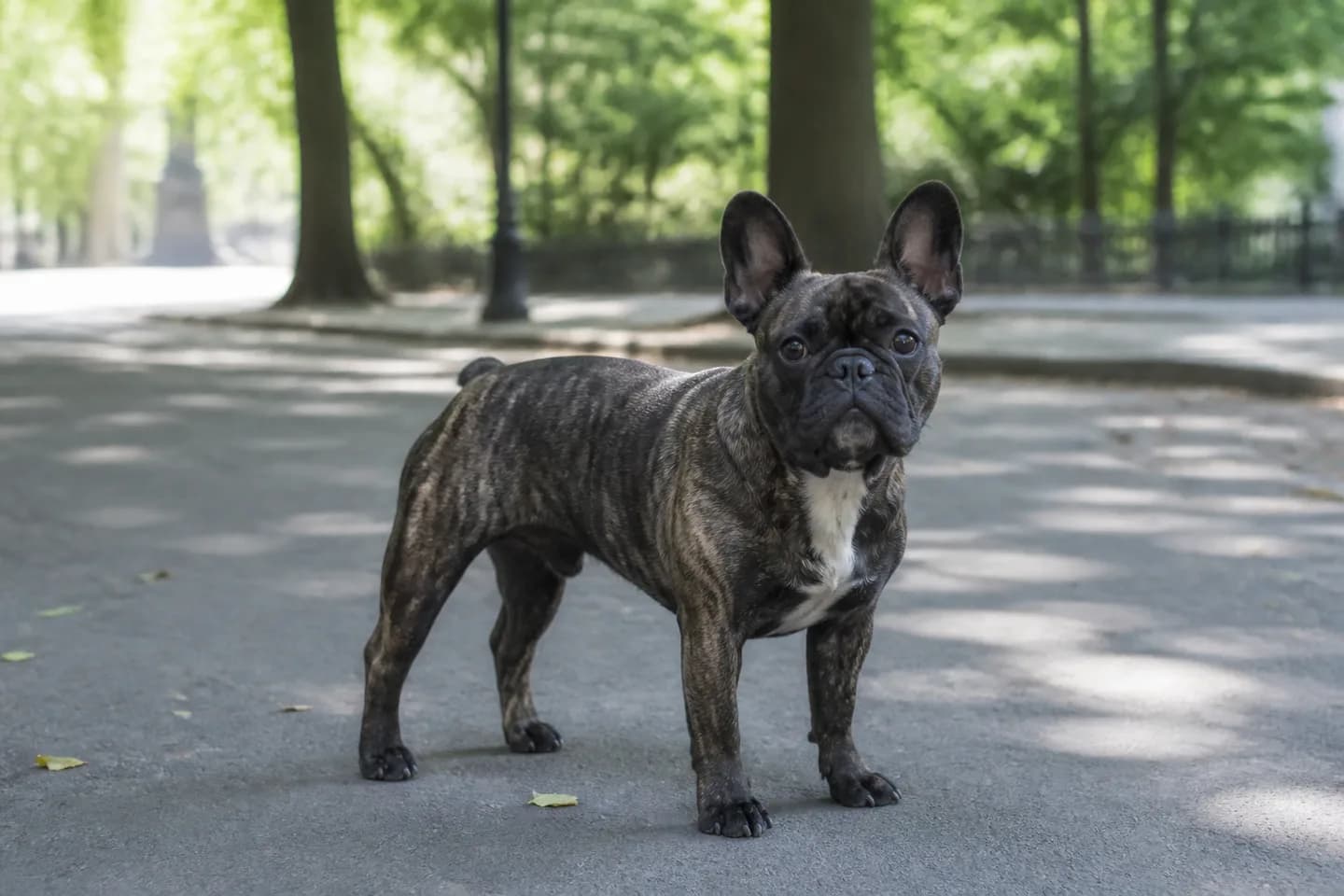
The French Bulldog is charming, compact, and strongly companion oriented. It often appeals to city owners, though climate limits and brachycephalic care must be taken seriously.
Breed patterns are a starting point, not a promise. Health, breeding, age, social learning, training history, and the home all shape an individual dog.
Quick reference
A compact view of the traits that most affect everyday ownership.
| Origin | England and France, with later standardization in the United States |
|---|---|
| Original purpose | Compact companion dog |
| Size | Small |
| Typical lifespan | 10 to 12 years |
| Activity | Moderate |
| Coat | Short smooth coat |
| Shedding | Moderate |
| Voice | Usually low |
History and original purpose
Small bulldog-type dogs traveled from England to France with workers and became fashionable companions in French cities. Breeders on both sides of the Atlantic shaped the modern French Bulldog, including the upright bat ears now associated with the breed.
The breed was built for companionship rather than endurance, which fits its people-focused nature and moderate activity. Its shortened muzzle is also a serious practical limitation: heat, humidity, travel, anesthesia discussions, and exercise pacing need more planning than the compact body suggests.
Temperament and daily feel
Usually solid when training stays short, clear, and motivating
Exercise and mental work
Moderate walks and short play sessions are usually enough. Heat and overexertion deserve real caution.
Short reward-based training, food puzzles, sniffing routes, and low-impact games can provide useful engagement without prolonged exertion. Stop before breathing becomes strained and use cool indoor activities during warm weather.
Grooming and coat care
Coat care is usually simple, though skin folds and ears still need attention.
Shedding: Moderate
Home, children, and other pets
Can do well with many households, though breathing limitations change how active family routines should be planned.
French Bulldogs can enjoy family life and compatible pets, but adults should protect them from rough handling and overheating during play. Compact size does not remove the need for polite greetings, quiet rest, and gradual introductions.
Apartment fit: Often one of the easier companion breeds for apartment life because of size and moderate exercise needs.
Time alone: Most French Bulldogs prefer company and can become unsettled if isolated often.
Climate: Handles heat poorly compared with many other breeds. Warm climates call for strict caution around exercise and cooling.
Health considerations
These are discussion points for a veterinarian, rescue, or responsible breeder, not a prediction or diagnosis for an individual dog.
- Brachycephalic breathing issues should shape every exercise and climate decision.
- Responsible breeding matters greatly, but even well bred dogs still need cautious management.
- Weight control is critical because extra pounds increase breathing strain.
Ownership cost reality
Routine costs look modest at first, but climate management and health care can turn this into a much more expensive breed over time.
Best suited to
Urban owners who want a companion breed, Homes that value moderate exercise needs, People prepared for careful warm weather management
Think twice if
Hot outdoor lifestyles, Owners seeking a hiking partner, Buyers who have not researched breathing related care
Compare similar choices
These alternatives share part of the appeal, but their daily workload and home fit can differ.
| Breed | Size | Activity | Coat care | Home fit |
|---|---|---|---|---|
| French Bulldog | Small | Moderate | Coat care is usually simple, though skin folds and ears still need attention. | Often one of the easier companion breeds for apartment life because of size and moderate exercise needs. |
| Cavalier King Charles Spaniel | Small | Moderate | Brush several times each week to keep feathering neat and to monitor ears and skin. | Often a strong apartment choice if owners still provide routine walks and thoughtful alone time training. |
| Chihuahua | Very small | Low to moderate | Smooth coats are easy to keep clean. Long coats need more brushing but still stay manageable for most homes. | Usually excellent for small homes because of size, though sound and reactivity still need thoughtful training. |
| Shih Tzu | Small | Low to moderate | A long coat demands regular brushing or a practical trim schedule. Eye and face care also become part of routine maintenance. | Often excellent for apartment living because of size and moderate exercise needs. |
Finding a responsible source
Ask how breeders prioritize open nostrils, functional movement, spine health, and the ability to breathe and recover comfortably. Review health documentation carefully and do not accept noisy breathing or poor exercise tolerance as simply normal for the breed.
Ask what support is offered after placement, how health and behavior are assessed, and whether the dog can return if the match fails. Avoid pressure, vague records, and anyone unwilling to discuss the hard parts of living with the breed.
Decision notes before you commit
Compare these concerns with an ordinary weekday, your housing, support network, and the care you can sustain for the dog's full life.
- Heat stress and breathing limitations
- Lifestyle expectations that exceed what the dog can handle physically
- A tendency for buyers to prioritize looks over long term care needs
Common questions
Continue your task
Related guides and next steps
Summer Heat Safety for Dogs
Safer summer routines start with timing, hydration, and realistic expectations.
How to Read Dog Food Labels
Focus on the full label, not only the front of the bag.
Questions to Ask a Breeder
A good breeder should welcome careful questions and clear expectations long before a deposit is discussed.
French Bulldog vs Cavalier King Charles Spaniel
Two smaller companion breeds that fit many city homes, but with very different health realities, energy expression, and long term care patterns.
Chihuahua vs French Bulldog
Two compact companion breeds that work in apartments, though one asks far more of the owner around breathing and climate while the other depends more on handling and confidence building.
Best Dogs for Apartment Living
A guide for households that need a dog whose size, sound level, and indoor rhythm fit urban or compact spaces.