
Siberian Husky
The Siberian Husky is beautiful, athletic, and famously independent. It can be a joy in the right home and a source of constant frustration in the wrong one.
Breed patterns are a starting point, not a promise. Health, breeding, age, social learning, training history, and the home all shape an individual dog.
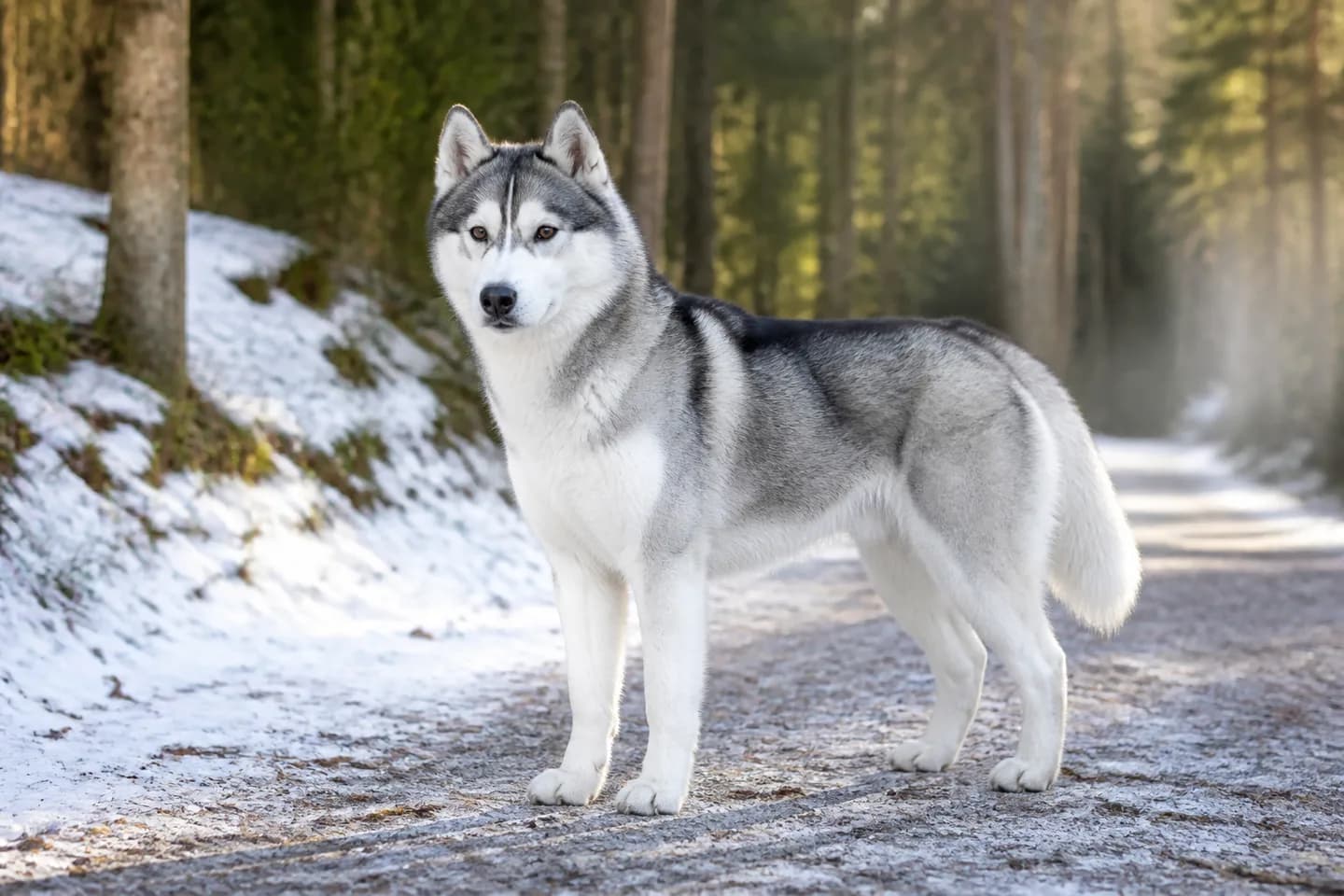
Quick reference
A compact view of the traits that most affect everyday ownership.
| Origin | Northeastern Asia |
|---|---|
| Original purpose | Endurance sled work and close community companionship |
| Size | Medium |
| Typical lifespan | 12 to 14 years |
| Activity | High |
| Coat | Dense double coat |
| Shedding | Heavy seasonally |
| Voice | Moderate |
History and original purpose
Siberian Huskies were developed by the Chukchi people for efficient travel over long distances in a severe climate. Teams needed endurance, cooperation, economical movement, and the ability to live closely with people and other dogs.
That legacy appears in stamina, social interest, independent decisions, digging, escape ability, and a strong desire to run. A secure home and leash plan are not substitutes for training; they are part of responsible ownership for a breed built to travel.
Temperament and daily feel
Smart but not especially eager to obey for its own sake
Exercise and mental work
Huskies need daily movement and usually more adventure than an average neighborhood walk. Safe containment matters because many love to roam.
Harness sports in safe weather, scent trails, hiking, pulling foundations, puzzle feeding, and cooperative handling can help. Recall should be practiced, but owners should not assume it will override running instinct around wildlife or open space.
Grooming and coat care
Routine brushing is manageable, but coat blows can be dramatic and demand serious cleanup for stretches of the year.
Shedding: Heavy seasonally
Home, children, and other pets
Can be great with families that enjoy movement, humor, and management, though the breed is rarely effortless.
Many Huskies are social with people and dogs, yet prey drive can make smaller animals a difficult match. Children need supervision around exuberant play, doors, gates, and food just as they would with any athletic medium-sized dog.
Apartment fit: Possible for exceptional owners, though energy, voice, and escape minded behavior make it a challenging fit.
Time alone: Many handle some alone time reasonably well, but under exercised dogs often become escape artists or destructive.
Climate: Cool weather is easier. Warm climates demand careful timing and honest limits on exercise intensity.
Health considerations
These are discussion points for a veterinarian, rescue, or responsible breeder, not a prediction or diagnosis for an individual dog.
- Containment and weight control matter because the breed often loves distance and movement.
- Coat does not make the dog immune to heat risk in warm climates.
- Mental boredom often shows up as escape behavior.
Ownership cost reality
Grooming is manageable most of the year, but fencing, training, and activity logistics often drive the real cost.
Best suited to
Active owners who enjoy a more independent dog, Homes with strong containment and outdoor habits, People comfortable managing rather than micromanaging
Think twice if
Owners wanting highly reliable off leash obedience, Hot weather routines with little indoor relief, Homes that cannot handle escape minded behavior
Compare similar choices
These alternatives share part of the appeal, but their daily workload and home fit can differ.
| Breed | Size | Activity | Coat care | Home fit |
|---|---|---|---|---|
| Siberian Husky | Medium | High | Routine brushing is manageable, but coat blows can be dramatic and demand serious cleanup for stretches of the year. | Possible for exceptional owners, though energy, voice, and escape minded behavior make it a challenging fit. |
| Australian Shepherd | Medium | Very high | Regular brushing helps manage seasonal shedding and keeps the coat comfortable during active outdoor living. | Usually difficult unless the owner is exceptional about exercise, structure, and quiet settling skills. |
| Border Collie | Medium | Very high | Coat care is manageable for most owners, but seasonal shedding still shows up in a serious way. | Usually a difficult apartment fit because of intensity, sound level, and the need for sustained purposeful work. |
| German Shepherd | Large | High | Weekly brushing helps, though seasonal shedding can be substantial and household cleanup is part of life with the breed. | Usually not the easiest apartment breed because of size, guarding instincts, and exercise needs. |
Finding a responsible source
Ask about eye and hip screening, working level, escape behavior, and how adults live indoors. Breed rescue can be especially valuable for matching households to a known adult energy level and animal history.
Ask what support is offered after placement, how health and behavior are assessed, and whether the dog can return if the match fails. Avoid pressure, vague records, and anyone unwilling to discuss the hard parts of living with the breed.
Decision notes before you commit
Compare these concerns with an ordinary weekday, your housing, support network, and the care you can sustain for the dog's full life.
- Weak recall and strong roaming instincts
- A mismatch between the look and the household lifestyle
- Warm weather routines that ignore the breed's limits
Common questions
Continue your task
Related guides and next steps
Summer Heat Safety for Dogs
Safer summer routines start with timing, hydration, and realistic expectations.
Crate Training in the First Week
Use meals, rest, and short sessions to build comfort around the crate.
How to Read Dog Food Labels
Focus on the full label, not only the front of the bag.
Best Dogs for Active Owners
A guide for people who want a dog that can match a full week of movement, outdoor time, and structured engagement.