
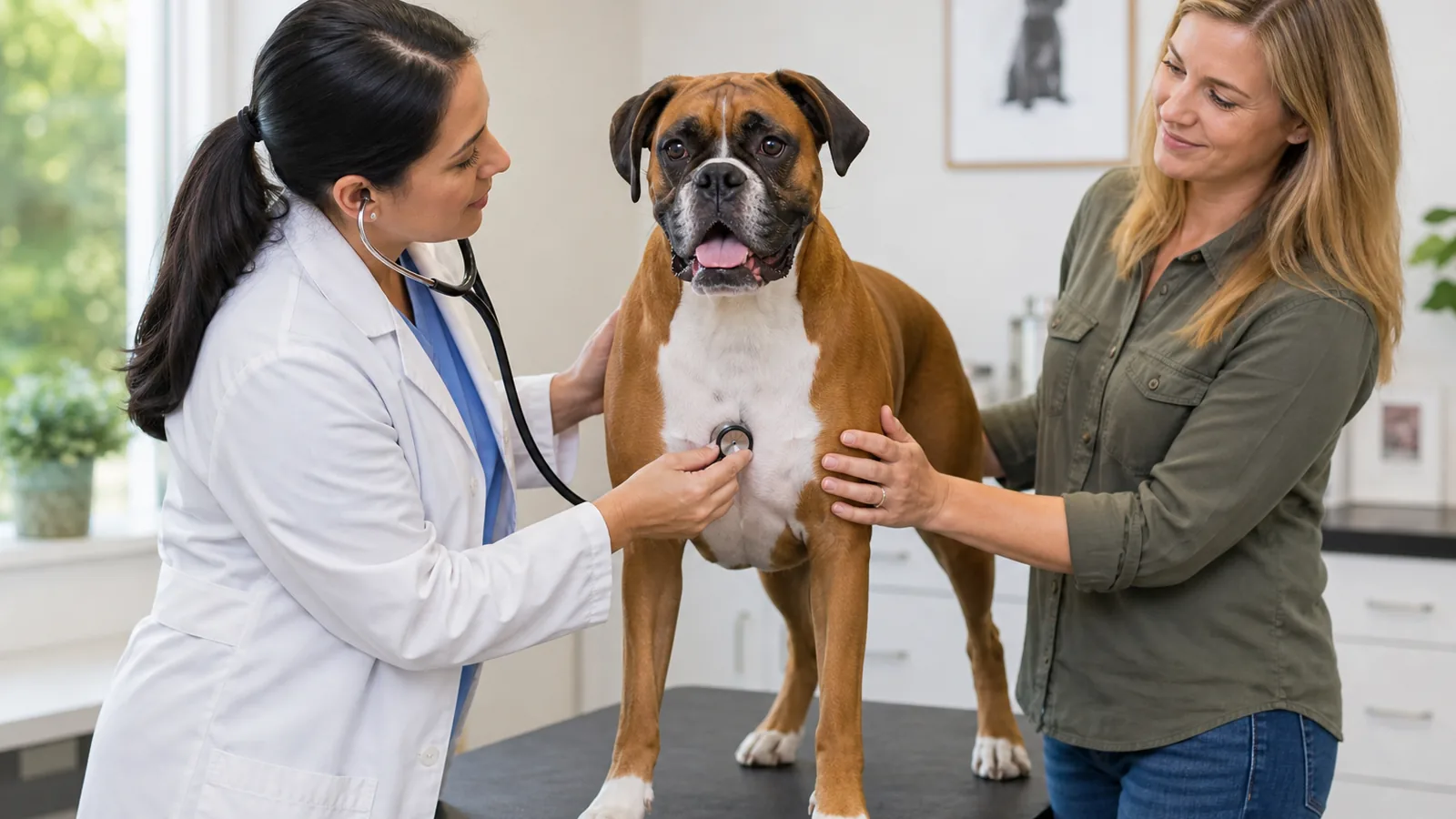
Choosing a veterinarian in advance lets you compare routine access, communication, handling, after-hours direction, and cost expectations without an urgent problem controlling the decision. This guide gives you a practical set of questions for narrowing local options and preparing for the first appointment.
Start with licensed practices you can realistically reach, then confirm current services and policies directly. Online profiles can help you build a shortlist, but the clinic should answer the details that affect your dog's care.
Start before the first scare
Many owners choose a veterinarian only after the dog vomits at midnight, limps on a weekend, or comes home and needs intake care faster than expected. That is understandable, but it forces the whole decision into a stressful moment. A better path is to choose the clinic before anything feels urgent.
That early decision gives the household space to compare communication, appointment flow, travel distance, and cost with a clear head. It also helps the dog because the first visit is more likely to feel calm instead of chaotic.
Choose for ordinary life first
A clinic might look excellent on paper and still fit your routine poorly. Think first about the way you actually live. Can you reach the office without turning every appointment into a half day project. Do the hours match work or school reality. Will the dog arrive stressed because the drive, parking, or building entry is hard every time.
Ordinary fit matters because routine care is what protects a dog most often. Vaccines, preventive care, skin problems, stomach issues, weight changes, and follow up visits all happen inside normal life, not only in emergencies.
| Question area | What to ask | Why it matters |
|---|---|---|
| Routine access | Hours, appointment lead time, parking, accessibility | Preventive and follow-up care must fit ordinary life |
| Urgent concerns | Same-day process and after-hours referral | You need a known next step before stress rises |
| Communication | Calls, portal messages, lab results, refills | Clear follow-through reduces missed information |
| Handling | Support for fearful, painful, elderly, or reactive dogs | Safer handling can improve care and future visits |
| Cost clarity | Estimate process, payment expectations, referral costs | A clear process supports informed consent and planning |
Ask how the clinic communicates
The best veterinary relationship usually feels clear, not performative. Ask how the clinic handles follow up questions, medication refills, routine lab updates, and urgent same day concerns. Some owners need text support. Others care more about a reliable phone path or a portal that actually gets answered.
Communication quality matters even more in homes with an older dog, a dog with chronic issues, or a breed that may need closer monitoring. A loving clinic that is hard to reach can still become a stressful fit.
Before the first visit, bring or send:
- prior medical and vaccination records
- current food, medications, supplements, and preventives
- a short list of behavior or handling concerns
- recent changes in appetite, weight, thirst, mobility, stool, or energy
- your emergency contact and preferred communication details
Pay attention to handling style
Dogs remember how care feels. If the dog is fearful, noise sensitive, flat faced, elderly, or still learning how to cope with new places, ask how the clinic handles anxious patients. Do they talk about lower stress handling, spacing appointments carefully, or helping the dog acclimate. Those details are not cosmetic. They change whether the dog arrives already worried before the exam even starts.
That is especially important for dogs whose daily care already needs planning, such as a French Bulldog in warm weather or a young Labrador Retriever who still finds busy waiting rooms overstimulating.
Build the full care picture
Primary care is the start, not the whole system. Ask where the clinic sends urgent cases after hours and how it handles specialty referrals. If the answer sounds vague, keep asking. A strong veterinary choice includes a clear next step when something falls outside ordinary care.
Emergency planning: Save the clinic's number and the nearest emergency hospital before you need them. Breathing difficulty, collapse, uncontrolled bleeding, severe pain, poisoning concerns, seizures, or rapid deterioration require prompt professional direction.
This matters for first time owners especially. If you are still building the wider household plan, first time dog owner guide and cost of the first year with a dog help frame the decision more realistically.
Bring your own questions to the first visit
Once you choose a clinic, treat the first appointment as the start of a working relationship. Ask what preventive care matters most for your dog's age and lifestyle. Ask what warning signs the clinic wants reported early. Ask how the office prefers new concerns to be raised. Good care gets stronger when both sides know what normal follow through should look like.
The goal is not to find a perfect clinic that promises every answer instantly. It is to find a clinic you can trust when life gets messy. Choosing before you need one gives you the best chance of doing that well.
Important context
Know when to call a veterinarian
General safety guidance cannot diagnose illness or replace an examination. Contact a veterinarian when symptoms are severe, worsening, unusual for your dog, or accompanied by pain or distress.
- Keep your veterinarian's number and the nearest emergency clinic details easy to reach.
- Reviewed by Dr Maya Ellison.
- Breathing difficulty, collapse, severe pain, poisoning concerns, uncontrolled bleeding, or rapid deterioration need urgent professional help.
Common questions
Continue your task
Related guides and next steps
First Time Dog Owner Guide
Good first dog decisions come from honest routine planning, not from excitement alone.
Cost of the First Year With a Dog
A realistic first year dog budget should cover routine life, not only the day the dog comes home.
How to Build a Backup Plan for Dog Care
Good dog planning is not only about the ideal week. It is about the week that goes sideways.
Labrador Retriever
The Labrador Retriever is social, steady, and deeply people focused. It tends to thrive in homes that can offer daily movement, clear routines, and regular involvement in family life.